
Why Northern Virginia Homeowners See More Silverfish in Newer Construction
Most people expect pests in older homes. Cracks in the foundation let ants inside. Gaps around windows give spiders entry points. Aging weatherstripping creates openings for mice. Older homes have character, but they also have vulnerabilities that pests exploit.
Newer construction should be different. Fresh caulk, tight seals, modern building materials — everything designed to keep the outdoors outside. Yet homeowners in Gainesville, Bristow, and surrounding Northern Virginia areas report an unexpected problem in their new builds: Silverfish.
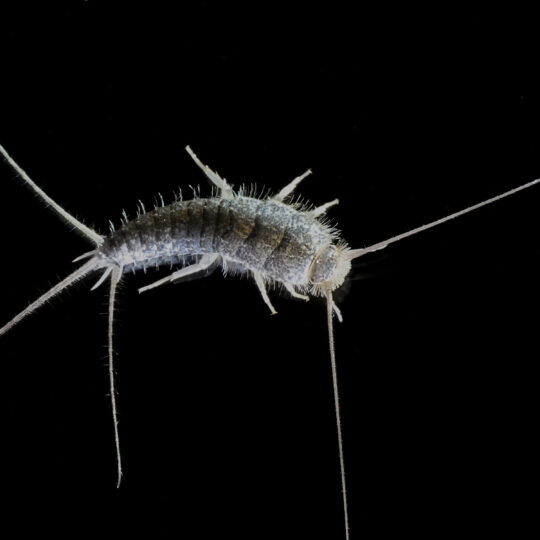
These small, silver-gray insects with fish-like movements show up in bathrooms, basements, and closets of homes built within the last five years. They’re found in boxes that haven’t been unpacked yet. They appear in brand new developments where the landscaping is still being established. For homeowners who invested in new construction specifically to avoid pest problems, silverfish feel like a design flaw.
The reality is more complicated. Modern building practices create conditions that silverfish find ideal, even when those same practices exclude other pests effectively.
What Makes Silverfish Different from Other Household Pests
Silverfish don’t behave like most insects homeowners encounter. Ants follow scent trails and forage for food in kitchens. Spiders hunt other insects and build webs in corners. Cockroaches scatter when lights turn on and hide in warm, greasy areas near appliances.
Silverfish are moisture-seeking insects that thrive in high humidity. They feed on carbohydrates — paper, glue, book bindings, wallpaper paste, clothing fibers, and even drywall. They prefer darkness and are most active at night. Unlike ants or roaches that need food sources, silverfish can survive for months without eating as long as humidity levels stay high.
This makes them less predictable than other household pests. A spotless kitchen with no crumbs still attracts silverfish if the humidity is right. A home with no obvious entry points can develop a silverfish population because these insects don’t need the same access routes that larger pests require.
They’re also long-lived compared to many household insects. While most bugs live weeks or a few months, silverfish can survive for several years. Females lay eggs continuously throughout their lifespan, depositing them in cracks, crevices, and hidden spaces. A small initial population becomes a persistent problem quickly.
Why New Homes in Northern Virginia Create Ideal Silverfish Habitat
Northern Virginia’s climate already favors silverfish. Humid summers with temperatures in the 80s and 90s create perfect outdoor conditions. Short, mild winters mean silverfish populations don’t die off seasonally the way they might in colder regions. The combination keeps silverfish active almost year-round in this area.
Newer construction amplifies these conditions in specific ways:
- Tighter Building Envelopes — Modern homes are built to be energy efficient, which means better insulation and fewer air leaks. This keeps conditioned air inside and reduces energy costs. It also traps humidity. When moisture from cooking, showering, or laundry can’t escape easily, indoor humidity climbs. Silverfish thrive when relative humidity stays above 75%.
- Spray Foam Insulation — Many new Northern Virginia homes use spray foam insulation in walls, crawlspaces, and attics. Spray foam creates an excellent thermal barrier and seals air leaks effectively. It also reduces natural ventilation. Older homes with fiberglass insulation and more air movement dry out faster. Spray foam homes retain moisture longer, especially in basements and crawlspaces where silverfish often establish themselves first.
- Unfinished Basements with Concrete — New construction often includes poured concrete foundations and unfinished basement spaces. Concrete absorbs and releases moisture, creating consistently damp conditions even when the rest of the home stays dry. Silverfish move into these spaces immediately and spread upward into finished areas once the population grows.
- Cardboard and Paper from Moving — Homeowners moving into new construction bring boxes, packing paper, and storage materials. These items sit in garages, basements, and closets while unpacking happens over weeks or months. Silverfish feed on the cardboard and glue. They lay eggs in the corrugated channels inside boxes. By the time homeowners unpack completely, a silverfish infestation is already established.
- New Drywall and Finishes — Fresh drywall contains moisture that takes months to fully cure. Wallpaper, textured finishes, and paint can also add moisture to interior spaces. Silverfish are attracted to both the moisture and the materials themselves, which contain starches and adhesives they consume.
Many developers also provide one coat of pest control throughout the interior of the property to kill any insects that may have entered during construction. But it’s not uncommon for them to skip places that silverfish hide, like small attics and crawl spaces. This means they may not have been treated properly after construction.
Common Signs Silverfish Are in Your New Home
Silverfish are nocturnal and avoid light, so many homeowners don’t realize they have an infestation until it’s significant. The insects themselves are small — about half an inch long — and move quickly when disturbed, making them easy to miss.
Signs that silverfish are present include:
- Live insects spotted in bathrooms, especially around tubs, sinks, or in shower stalls
- Silverfish found in closets, particularly near stored clothing or linens
- Yellow stains on books, papers, or fabrics where silverfish have been feeding
- Small holes in wallpaper or peeling edges where silverfish have eaten the paste
- Shed skins in closets, basements, or other humid areas (silverfish molt throughout their lives)
- Tiny black pepper-like droppings near baseboards or in corners
Homeowners often notice silverfish when they’re getting ready for bed or during late-night trips to the bathroom. The insects dart away quickly when lights turn on, disappearing into cracks or under fixtures.
Why Standard New Home Pest Control Doesn’t Always Catch Silverfish
Many Northern Virginia homeowners sign up for pest protection plans when they move into new construction. These plans typically focus on creating exterior barriers that prevent ants, spiders, stink bugs, and other common seasonal pests from entering the home.
Exterior treatments work well for pests that travel from outside to inside. They’re less effective for silverfish because:
- Silverfish Often Arrive With Moving Materials — The insects hitchhike in cardboard boxes, books, and stored items rather than crawling across treated perimeters. By the time exterior pest control is applied, silverfish are already inside.
- Interior Humidity Matters More Than Exterior Barriers — Even perfect perimeter treatments don’t address the moisture conditions that allow silverfish to thrive indoors. If humidity stays high, silverfish populations grow regardless of exterior pest control.
- Silverfish Hide In Inaccessible Areas — These insects live in wall voids, under bathtubs, behind baseboards, and in other spaces that standard pest treatments don’t reach. Integrated pest management that includes interior inspection and treatment is necessary.
This doesn’t mean exterior pest control is ineffective — it’s essential for preventing the dozens of other pests that threaten Northern Virginia homes. It just means that silverfish require additional attention, especially in newer homes where construction features create ideal conditions.
Effective Silverfish Control in New Construction
Controlling silverfish in newer homes requires addressing both the insect population and the environmental factors that support them.
Reducing indoor humidity is the most important step. Dehumidifiers in basements and crawlspaces keep relative humidity below the 75% threshold that silverfish need. Exhaust fans in bathrooms should run during and after showers. Clothes dryers need to vent outside properly rather than releasing moisture into the home.
Removing food sources helps limit silverfish survival. Cardboard boxes should be unpacked and discarded quickly rather than stored long-term. Books, papers, and documents stored in basements benefit from plastic containers instead of cardboard. Addressing any plumbing leaks or condensation issues eliminates moisture that attracts silverfish to specific areas.
Professional pest treatment targets silverfish where they live. Interior applications in bathrooms, closets, and basements focus on the cracks, crevices, and voids where silverfish hide during the day. Treatments may include dusts in wall voids, liquid applications along baseboards, and targeted treatments in areas where silverfish activity is highest.
For new construction homes in Gainesville, Manassas, Bristow, and surrounding areas, ExtermPRO includes silverfish in comprehensive pest protection plans. These plans combine exterior treatments that prevent seasonal pests with interior strategies that address silverfish and other moisture-loving insects.
Treatment effectiveness depends on consistency. Silverfish populations don’t disappear after a single service. Ongoing monitoring and treatment, combined with humidity control, reduce populations over time and prevent reinfestation.
When to Call for Silverfish Treatment
If you’re seeing silverfish regularly — more than one or two insects per week — the population is large enough to require professional treatment. Occasional sightings of a single silverfish might not indicate a major problem, but regular activity suggests hundreds or thousands of insects are living in hidden areas of your home.
New homeowners should consider silverfish-specific treatment if:
- The home has an unfinished basement or crawlspace with moisture issues
- Spray foam insulation was used throughout the home
- You’ve stored cardboard boxes in the basement or garage for more than a few weeks
- Bathrooms, closets, or laundry areas feel consistently humid
- You’ve noticed damaged books, papers, or fabrics that weren’t damaged before
ExtermPRO serves homeowners throughout Northern Virginia, including Gainesville, Bristow, Manassas, Centreville, Haymarket, and Warrenton. Our pest control specialists understand the specific challenges that newer construction creates for silverfish control.
Contact ExtermPRO at 571-620-1168 for a free evaluation. We’ll inspect your home, identify moisture sources that attract silverfish, and develop a treatment plan that addresses both the current infestation and the conditions that allow it to persist.
Your new home should feel new — without the pests that suggest otherwise.