
The Real Reason Your Gainesville Basement Always Has Spiders
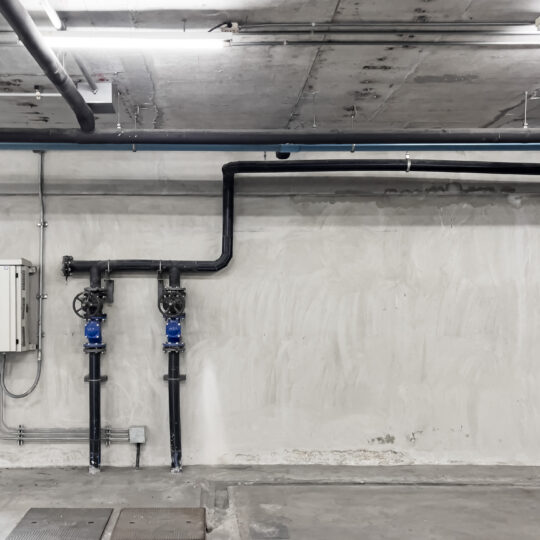
You head down to the basement to grab something from storage. You flip on the light and there they are: spiders.
In the corners.
Along the ceiling.
Near the floor drain.
Sometimes scrambling across the floor when you disturb them.
You cleaned down here a few weeks ago. You swept away the webs. You even killed the ones you saw. But they’re back. They’re always back.
If your Northern Virginia basement feels like a permanent spider habitat no matter what you do, you’re not imagining it. Basements in Gainesville, Bristow, Haymarket, and surrounding areas create ideal conditions for spiders. The issue isn’t just that spiders are getting in. It’s that your basement is exactly the kind of environment spiders seek out.
Why Spiders Love Virginia Basements
Spiders don’t end up in your basement by accident. They’re there because the conditions are right for them to thrive.
Moisture
Basements in our area tend to be damp, especially in spring when groundwater levels rise, snowmelt increases soil moisture, and humidity climbs. Even basements that don’t have standing water often have elevated humidity levels that create the moist environment many spider species prefer.
You might not think your basement is particularly damp, but spiders don’t need flooding or obvious moisture. Slightly elevated humidity, condensation on pipes, or moisture wicking through concrete walls is enough. If your basement feels cooler and slightly clammy compared to the rest of your house, spiders notice.
Prey
Spiders go where the food is, and basements typically have plenty of other insects for spiders to eat. The same moisture that attracts spiders also attracts prey insects like silverfish, crickets, centipedes, and sowbugs. These moisture-loving pests congregate in basements, and spiders follow them there.
If you’re seeing spiders, you almost certainly have other pest activity you might not be aware of. The spiders are an indicator that there’s an ecosystem happening in your basement.
Temperature
Basements stay relatively cool and stable temperature-wise compared to the rest of your house. This consistency appeals to spiders. They don’t have to deal with the temperature fluctuations that happen in upper levels where heating and cooling systems create more variation.
In spring, when temperatures outside are warming up but basements stay cooler, spiders emerge from winter dormancy and become more active. You start seeing them more often because they’re hunting, mating, and building webs as their activity level increases with the season.
The Entry Points You’re Missing
Spiders get into basements through openings you might not even know exist. Basement construction creates numerous potential entry points that are easy to overlook.
- Ground-level foundation cracks are common in our area. Virginia’s clay soils expand and contract with moisture changes, putting pressure on foundations. Even small cracks — ones you might not notice from inside — provide access for spiders and other pests.
- Gaps around pipes and utilities where they enter through foundation walls are another common entry point. These penetrations often have small gaps around them that weren’t properly sealed during construction or that have opened up over time as materials shifted.
- Basement windows and window wells create vulnerabilities. The seals around basement windows deteriorate. Window wells collect debris, moisture, and insects, creating a perfect staging area for spiders right next to an access point into your basement.
- Floor drains connect to the outside drainage system. While they have traps to prevent pests from coming up through the drain, those traps can dry out if the drain isn’t used regularly. A dried-out floor drain trap is an open pathway from the sewer system into your basement.
- Bulkhead doors and exterior basement entrances rarely seal perfectly. The weatherstripping wears out. The doors settle and create gaps. These entrances provide easy access for spiders and the prey insects they’re hunting.
It’s not necessarily your fault. These openings can so extraordinarily difficult to see, as spiders require only the tiniest of openings to find their way inside. Nevertheless, basements have these more than many other areas of the home, making them a haven for spiders.
Why Killing the Spiders You See Doesn’t Work
When you see a spider in your basement, your instinct is to kill it. You do. The spider is gone. Problem solved — except it’s not, because you’ll see another one soon.
Killing individual spiders only addresses the spiders you happen to encounter. It doesn’t address why they’re there or how they’re getting in. For every spider you see and kill, there are more you’re not seeing.
Spiders are also constantly entering from outside. Your basement isn’t hosting a fixed spider population where you can eliminate them one by one until they’re gone. New spiders are finding their way in through the same entry points on an ongoing basis.
The prey insects that attract spiders are also reproducing in your basement. Even if you eliminated every spider, the conditions that attracted them remain. More spiders will come because the food source is still there.
Why Spring Makes the Problem Worse
If it seems like your spider problem gets worse in spring, you’re not wrong. Several factors converge in spring to increase spider activity in Northern Virginia basements.
- Spiders emerge from winter dormancy. They’ve been relatively inactive during the cold months. As temperatures warm in March, April, and May, spider activity increases. They’re hunting more actively, which means you encounter them more often.
- Prey insect populations increase. The insects that spiders eat are also becoming more active in spring. Cricket eggs are hatching. Silverfish that slowed down over winter are active again. More prey means more reason for spiders to be in your basement.
- Moisture levels rise. Spring brings rain, snowmelt, and rising groundwater. Basements that stay relatively dry in winter often develop moisture issues in spring. That moisture attracts both spiders and their prey.
- You’re spending more time in your basement. During winter, you might not go into your basement often because it is cold and unpleasant. In spring, you start doing spring cleaning, getting out seasonal items, working on projects. You’re encountering spiders you might not have noticed when you weren’t down there as much.
More spiders + more opportunities to see them means that not only are they more common, they also cause more distress.
What Actually Works for Basement Spiders
Effective spider control in basements requires a multi-step approach. No single action eliminates the problem.
- Seal Entry Points – Identify and seal the cracks, gaps, and openings that allow spiders to enter. Use caulk for small cracks. Use expanding foam for gaps around pipes. Replace weatherstripping on basement doors and windows. Make sure floor drains have water in the trap.
- Control Moisture – Run a dehumidifier to keep humidity below 50 percent. Fix any sources of water intrusion. Improve drainage around your foundation. These steps make your basement less attractive to moisture-loving pests.
- Reduce Clutter – Boxes, old furniture, and stored items create hiding places for spiders and prey insects. Store items in sealed plastic containers rather than cardboard boxes. Keep items off the floor and away from walls where possible. Decluttering makes the space less hospitable and makes it easier to clean.
- Professional Pest Control – Professional pest control treats both spiders and the insects they’re feeding on. At ExtermPRO, our pest protection plans include interior and exterior treatments that create a barrier against pests trying to enter your basement while also addressing any pests already present.
We treat the perimeter of your home’s foundation to prevent spiders and other pests from entering. We address entry points and treat areas where pests are active. We also provide guidance on moisture issues and structural problems that contribute to pest activity.
Getting Professional Help
If you’ve tried cleaning, killing individual spiders, and basic prevention but you’re still seeing spiders regularly in your Gainesville basement, professional pest control can make a real difference.
At ExtermPRO, we serve homeowners throughout Northern Virginia including Gainesville, Bristow, Haymarket, Warrenton, Centreville, and surrounding areas. We understand the pest pressures specific to our region and the challenges Northern Virginia basements present.
Our approach addresses both the immediate spider problem and the underlying conditions that attract them. We identify entry points, treat for spiders and prey insects, and provide recommendations for moisture control and other prevention strategies.
We offer both one-time treatments for active infestations and ongoing pest protection plans that prevent problems before they start. Regular treatments maintain a protective barrier and address new pest activity as seasons change.
Contact ExtermPRO at 571-620-1168 or request a free estimate through our website. We’ll inspect your basement, identify why spiders keep coming back, and create a treatment plan that actually solves the problem rather than just addressing the symptoms.
Your basement doesn’t have to be spider habitat. With the right approach to moisture control, entry point sealing, and professional pest treatment, you can have a basement that stays spider-free even in spring when conditions would otherwise be perfect for them.
Special Offer for New Customers
$50 Off Complete Pest Control Services
Hurry! Offer Expires March 15, 2026