
Why March Is When Ants Start Showing Up in Northern Virginia Homes
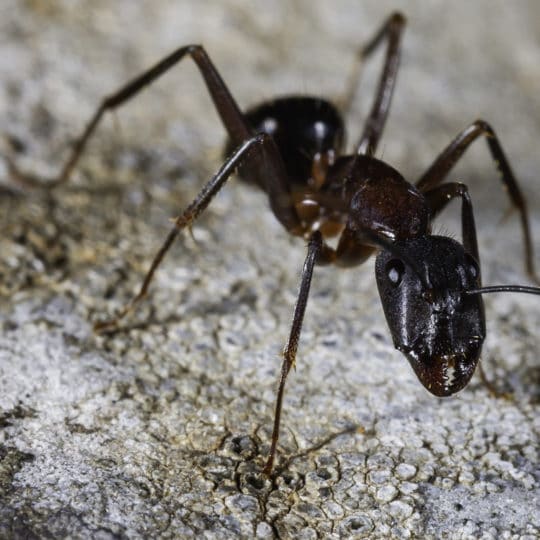
Most homeowners in Northern Virginia don’t expect ants in March. It still feels like winter — mornings are cold, there’s frost some nights, and nobody’s thinking about bugs yet. Then a line of ants appears across the kitchen floor, or a cluster turns up near a window sill, and the season has officially begun whether you were ready or not.
Ant activity in early spring catches people off guard precisely because the timing doesn’t match how we think about seasons. But ants don’t wait for warm weather to feel warm to us — they respond to soil temperature, and by March in Northern Virginia, the ground has warmed enough to trigger foraging behavior in several common species.
What’s Actually Happening Underground
Ants don’t die off in winter. They overwinter in their colonies, clustered deep enough in the soil or inside wall voids to stay alive through the cold. As soil temperatures begin to rise in late February and March, the colony becomes active again. Worker ants start moving toward the surface — and toward any food source they can find.
The ants you see in March are scouts. They’re following temperature gradients and chemical trails, looking for food to bring back to a colony that has been dormant for months and needs resources. Your kitchen, with its warmth and food residue, is exactly what they’re looking for.
The Two Species Most Likely Behind Your Early Spring Infestation
Not all ants behave the same way in early spring, but two species account for the majority of March sightings in Northern Virginia homes.
Pavement Ants
Pavement ants are among the first to become active as temperatures rise. They nest in soil beneath slabs, sidewalks, and foundations — which puts them in close proximity to homes. They enter through foundation cracks, gaps around pipes, and any opening at or below grade level. They’ll eat almost anything and follow the same trails reliably, which is why you often see a clean, organized line of them rather than scattered individuals.
Odorous House Hants
Odorous house ants are the other common early-spring invader. These are the small, dark ants that emit a faint smell when crushed — often described as similar to rotten coconut. They tend to nest near moisture sources, which in March means they’re often entering around bathrooms, kitchens, and anywhere condensation builds up as indoor and outdoor temperatures fluctuate. Odorous house ants are particularly persistent because their colonies can have multiple queens, making them difficult to eliminate with surface treatments alone.
Why DIY Treatments Often Fail at This Stage
The instinct when you spot ants is to spray them. It’s understandable, and it gets rid of the ants you can see — but it rarely solves the problem. The ants in your kitchen represent a tiny fraction of the colony outside. Killing the scouts doesn’t disrupt the colony, and in some cases, spraying near a nest entrance can cause the colony to split and establish satellite nests in different locations, spreading the problem rather than solving it.
Over-the-counter ant baits can be more effective than sprays because they’re designed to be carried back to the colony — but placement, bait selection, and timing all matter, and the wrong approach produces inconsistent results.
Why Early Spring Treatment Timing Matters
March is actually one of the best times to address ant control because colonies are newly active and still consolidating. Treatment applied now — before populations build through spring and into summer — is more effective than treatment applied once an infestation is well established. A barrier treatment around the exterior of the home in early spring intercepts foraging ants before they find a way inside and establish regular trails.
This is the same reasoning behind ExtermPRO’s approach to seasonal pest management. The Pest Protection Plan includes scheduled treatments timed to pest activity cycles, so spring ant pressure is addressed at the right moment rather than after it’s already become a problem inside the home.
If you’re already seeing ants inside in March, that’s a sign the colony is active and close. It’s worth addressing now rather than waiting to see how bad it gets. Call ExtermPRO at 571-620-1168 or request a free estimate to get ahead of spring ant season before it gets ahead of you.
Special Offer for New Customers
$50 Off Complete Pest Control Services
Hurry! Offer Expires March 31, 2026