
When Are the Pests Coming Back?
The cold weather is here, and with it comes a temporary reprieve from many of the pests that make warm weather so challenging in Northern Virginia. Mosquitoes are gone. Stinging insects are dormant. Ants have retreated to their underground colonies. For a few months, the constant battle against outdoor pests feels like it’s over.
But it’s not. It’s just paused.
Those pests are coming back, and if you’re not prepared, they’ll be back in full force the moment temperatures rise.
So when are the pests coming back? The answer depends on which pests you’re talking about – but for most, it’s sooner than you think.
Temperature and Pest Activity
Pests are cold-blooded, which means their activity is directly tied to temperature. When it’s cold, they slow down, go dormant, or die off. When it warms up, they become active again.
But “warm” doesn’t mean summer. Many pests become active as soon as temperatures consistently reach the 50s or 60s – which in Northern Virginia can happen as early as late February or March. By the time you notice the pests are back, they’ve already been breeding, foraging, and establishing themselves on your property for weeks.
Understanding when different pests become active helps you prepare and take preventive action before infestations start.
When Different Pests Become Active
Ants – Early Spring
Ants are some of the first pests to emerge in spring. As soon as soil temperatures warm up – typically in March or early April in Northern Virginia – ant colonies become active again. Scout ants venture out looking for food and water, and if they find it on your property, they’ll establish trails that bring hundreds or thousands of ants into your home.
Carpenter ants are particularly problematic because they don’t just forage for food – they burrow into wood, causing structural damage similar to termites. If you had carpenter ants last year, there’s a good chance they’re still in your walls, just waiting for warmer weather to become active again.
Termites – Early to Mid-Spring
Termites are active year-round in their colonies underground, but termite swarmers – the winged reproductive termites that establish new colonies – emerge in spring when temperatures reach the 70s. In Northern Virginia, this typically happens in April or May.
If you see termite swarmers around your property, it means there’s an established termite colony nearby – possibly in your home. Termites cause billions of dollars in property damage each year, and the damage isn’t covered by homeowners insurance. Spring is the time to schedule a termite inspection and ensure your property is protected.
Mosquitoes – Late Spring to Early Summer
Mosquitoes become active when temperatures consistently stay above 50 degrees, but they don’t become a serious problem until late spring and early summer when it’s warm and wet. In Northern Virginia, mosquito season typically ramps up in May and peaks in June, July, and August.
Mosquitoes breed in standing water, so eliminating water sources on your property – clogged gutters, bird baths, flower pots, puddles – reduces mosquito populations. But for effective mosquito control, professional treatments are the most reliable solution.
Stinging Insects – Mid to Late Spring
Wasps, hornets, and yellow jackets begin building nests in spring – typically in April or May. Queens that survived the winter emerge and start constructing new nests in eaves, under decks, in trees, and in other sheltered locations.
Early spring is the best time to deal with stinging insect nests because they’re small and the population is low. By mid-summer, nests can house hundreds or thousands of aggressive insects that defend their territory aggressively. If you see wasp or hornet activity around your property in spring, address it immediately before the problem gets worse.
Fleas and Ticks – Spring Through Fall
Fleas and ticks become active in spring and remain active through fall. Ticks are particularly concerning in Northern Virginia because they carry Lyme disease and other tick-borne illnesses.
Ticks don’t just live in wooded areas – they’re in your yard, in tall grass, in leaf litter, and anywhere there’s vegetation and wildlife. If you have pets, kids, or spend time outdoors, tick prevention should be a priority starting in early spring.
Fleas are less of a problem outdoors but can become a serious issue if they get into your home. Pets that go outside can bring fleas inside, where they reproduce rapidly and infest carpets, bedding, and furniture.
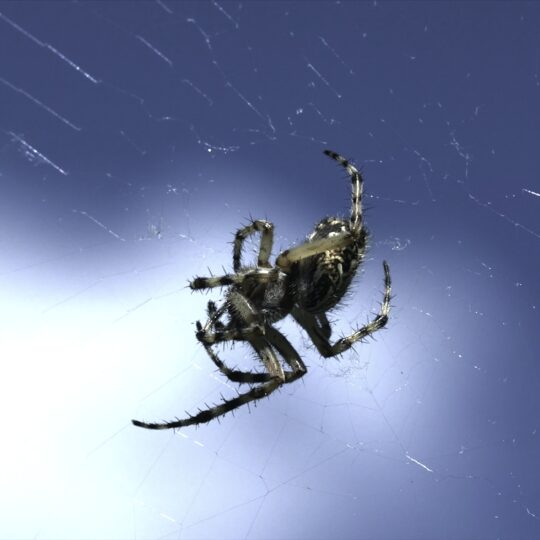
Spiders – Year-Round, Peak in Fall
Spiders are active year-round in Northern Virginia, but their activity peaks in fall when they’re looking for places to overwinter. However, spring is when many spiders emerge from hiding and start building webs and hunting for prey.
Most spiders are harmless, but nobody wants them in their home. And the presence of spiders often indicates that there are other insects in or around your home that spiders are feeding on.
Cockroaches – Year-Round Indoors, Active Outdoors in Warm Weather
Cockroaches are active year-round indoors, but outdoor cockroach activity increases dramatically in warm, humid weather. In Northern Virginia, outdoor roaches become more common in late spring and summer.
Cockroaches are attracted to moisture, food, and shelter. Once they get inside, they’re difficult to eliminate without professional treatment. Spring is a good time to address any moisture issues, seal cracks and gaps, and implement preventive measures to keep roaches out.
Rodents – Year-Round, Peak Activity in Fall and Winter
Unlike most pests, rodents – including mice and rats – are actually more active in fall and winter when they’re seeking shelter from the cold. But that doesn’t mean they disappear in spring.
Rodents breed year-round, and spring is when rodent populations start to grow rapidly. If you had rodents in your home during the winter and didn’t address the problem, you’re likely to have even more rodents in spring and summer. Rodent control requires sealing entry points, eliminating food sources, and trapping or baiting to reduce populations.
Stink Bugs – Spring and Fall
Stink bugs are a nuisance pest that invades homes in fall to overwinter and emerges again in spring. In Northern Virginia, stink bugs typically become active in April and May as they leave their overwintering sites and move back outdoors.
While stink bugs are mostly just annoying, large numbers of them in your home can create a significant odor problem when disturbed or crushed. Sealing entry points and working with a pest control professional can prevent stink bug invasions.
Why Spring Pest Prevention Matters
The end of winter and early spring can be the most critical time for pest prevention because it’s when pest populations are starting to grow. A few ants in March can become a full-blown infestation by June. A small wasp nest in April can become a dangerous, aggressive colony by August. Termites swarming in May could mean thousands of dollars in structural damage by next spring.
Waiting until you see pests to take action means you’re already behind. By the time you notice the problem, pests have already established themselves, reproduced, and spread throughout your property.
Preventive pest control in early spring – before pest activity ramps up – stops infestations before they start. It creates a protective barrier around your home that keeps pests out, reduces the pest pressure on your property, and saves you the time, stress, and expense of dealing with infestations later.
What You Can Do Now to Prepare
Even though it’s still cold outside, there are steps you can take now to prepare for the return of pests in spring:
- Inspect Your Property for Entry Points – Walk around your home and look for cracks, gaps, holes, and openings where pests can get in. Pay attention to areas around windows, doors, utility lines, vents, and the foundation. Seal any gaps you find with caulk, weatherstripping, or other appropriate materials.
- Eliminate Moisture Issues – Many pests are attracted to moisture. Fix leaky faucets, repair damaged gutters, ensure proper drainage around your foundation, and address any standing water issues on your property.
- Remove Debris and Clutter – Piles of leaves, wood, mulch, and other debris provide shelter for pests. Clear away debris from around your foundation, trim back vegetation that’s touching your home, and keep firewood stored away from the house.
- Store Food Properly – Keep food in sealed containers, clean up spills and crumbs promptly, and don’t leave pet food out overnight. Pests are attracted to easy food sources, and eliminating access to food makes your home less appealing.
- Schedule a Pest Inspection – A professional pest inspection can identify vulnerabilities on your property and catch problems early before they become serious. Spring is the ideal time to have your property inspected and treated.
It’s also a good idea to start pest treatment now, before spring even comes. That way you can ensure that you’re getting rid of the pests that are already on your property and may be hiding or dormant, allowing you to focus on prevention later.
How ExtermPRO Can Help
At ExtermPRO, we don’t just react to pest problems – we prevent them. Our Pest Protection Plans provide year-round coverage that protects your Northern Virginia home from pests before they become a problem.
We start by eliminating any pests that are already present with interior and exterior treatments. Then we apply pest treatments around the outside of your home to create a protective barrier that keeps pests out. With bi-monthly or quarterly service, we refresh that barrier and address any emerging pest issues before they turn into infestations.
Our integrated pest management approach combines the latest pest control technology with environmentally responsible treatments that are safe for your family and pets. And our satisfaction guarantee means we don’t consider the job done until you’re completely satisfied.
If you’re in Gainesville, Bristow, Warrenton, Haymarket, Centreville, Fairfax, or the surrounding Northern Virginia area, ExtermPRO is your local pest control partner.
Don’t Wait for the Pests to Come Back
The pests are coming back. They’re coming back in spring, and they’re coming back ready to invade your property, reproduce, and create problems that will last all summer long.
But you don’t have to wait for them to show up to take action. Preventive pest control now – before pest season ramps up – protects your home, saves you money, and gives you peace of mind knowing that when the pests do come back, they won’t be getting inside.
Contact ExtermPRO today at 571-620-1168 or request a free estimate online. Let’s make sure your Northern Virginia home is protected before the pests return.