
How Much Space Do Different Pests Need to Enter a Property?
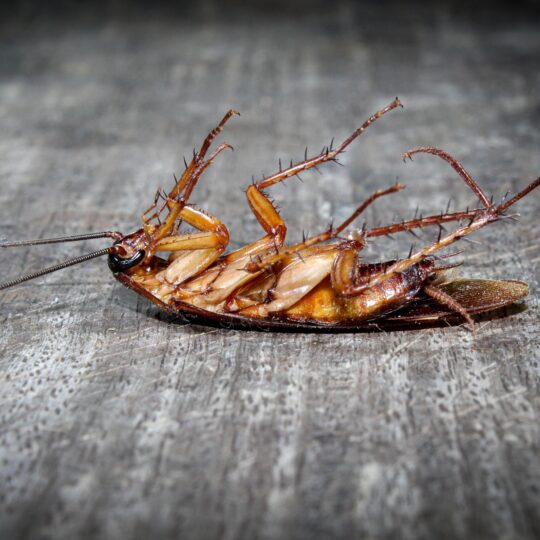
We talk a lot about pesticides and ongoing pest control, but exclusion – our ability to keep pests out – is probably the most important part of the pest management process. You can put all the pesticides you want, but if you open a window – for example – pests can get inside and there is no way to stop them.
But the thing about pests is that they don’t need a window.
In fact, many of them need only a small amount of space to enter, sometimes so small it can barely be visible to the naked eye. While many homeowners assume that a house is secure as long as doors and windows are closed. Most pests do not need a full opening to enter. Small gaps, hairline fractures, and structural inconsistencies can provide enough space for insects and rodents to access a property.
Entry Points Vary by Species
Pest entry depends on size, flexibility, nesting behavior, and the pest’s ability to flatten or compress its body. These factors determine which parts of a structure are vulnerable and how easily an infestation can develop.
Even well-maintained properties often have gaps around siding, utilities, roofing components, or foundation lines that are large enough to allow at least one species to enter. Once inside, many pests can reproduce quickly, making early exclusion one of the most reliable long-term management strategies.
How Small Is Small Enough?
Most people underestimate how little space pests need. Many insects can pass through gaps that look insignificant, and rodents are capable of compressing their bodies to fit through openings that seem too small for their size. Examples include:
- Mice – Can enter through openings as small as 1/4 inch.
- Rats – Can compress their bodies to fit into gaps around 1/2 inch.
- Cockroaches – Some species can slip through cracks as small as 1/16 inch.
- Ants – Need extremely small openings and can enter through hairline gaps in caulking or masonry.
- Spiders – Can use any opening wide enough for their cephalothorax, often just a few millimeters.
- Yellowjackets and wasps – Can enter through cracks or voids around roofing materials measuring 1/4 inch or less.
- Silverfish – Can squeeze into extremely tight spaces that are only fractions of an inch wide.
These sizes show how easily pests can gain access, even in properties that appear sealed and structurally sound.
Structural Features That Create Access Points
Buildings contain many natural and accidental openings that pests can exploit. Gaps may form during construction, as materials expand and contract, or as a result of wear, weather, or settling. Common access points include:
- Foundation cracks or settling gaps.
- Openings around utility penetrations such as plumbing, HVAC, and electrical conduits.
- Loose siding or warped trim.
- Gaps between shingles, soffits, and rooflines.
- Poorly sealed windows or deteriorating weatherstripping.
- Vent screens that have torn or corroded.
Each of these areas may seem minor, but even a small gap can be enough for a range of pests to enter and move through wall voids or attic spaces.
Why Small Gaps Lead to Larger Infestations
Once pests find an opening, they often explore interior cavities such as insulation, wall voids, crawl spaces, and attics. These areas provide shelter, warmth, moisture, and nesting locations. Small entry points do not limit the potential size of an infestation because many pests reproduce rapidly and remain hidden until the population grows significantly.
Rodents, for example, may start with a single access point near a foundation wall but quickly spread through framing gaps, plumbing chases, or attic joists. Insects can colonize behind drywall or under flooring without ever appearing in the open until conditions worsen.
Reducing Entry by Managing Small Exclusion Gaps
Preventing pest entry requires routine inspection and sealing of vulnerable areas. Small improvements often make a noticeable difference, especially when combined with ongoing maintenance. Property owners can reduce entry by:
- Sealing cracks and openings with appropriate caulking or sealant.
- Reinforcing gaps around utility lines with pest-resistant materials.
- Maintaining tight weatherstripping on exterior doors and windows.
- Repairing damaged soffits or siding panels.
- Installing or replacing vent screens with durable mesh.
- Monitoring areas where water or heat loss suggests underlying structural gaps.
These measures help limit access for insects and rodents, making the property more resistant to long-term infestation.
If Pests Can Fit Through Such Small Holes, What Does Pest Control Do?
Pest control companies, like ExtermPRO, can find many of the openings that pests can enter. But the process we use to eliminate pests is thorough – designed to make sure that pests are not able to be near the property, and not able to survive if they do pass through. Should your property have so many openings that pests still find their way inside, we have interior treatments we can use as well that are able to help.
But it’s still a good idea to pay attention. Don’t ignore any hole you find no matter how small. If it’s big enough for you to see, it’s big enough for pests to enter. Reach out to us today if you have any questions.