
How Early is Too Early for a Comprehensive Interior and Exterior Pest Treatment?
Right now, Gainesville, Virginia is buried under ice and snow. The massive winter storm that hit the East Coast at the end of January has left roads covered, sidewalks impassable, and most of us staying inside where it’s warm. When you look outside and see everything frozen solid, the last thing on your mind is probably pest control.
But here’s the thing – while you’re inside avoiding the cold, pests are doing the same thing. They’re hiding in your walls, your basement, your crawlspace, and anywhere else they can find shelter from the freezing temperatures – and in a few weeks, when the weather starts to warm up, they’re going to wake up, become active, and start looking for food, water, and places to reproduce.
The question homeowners often ask us is:
- When should I schedule pest control?
- Is the middle of winter too early?
- Should I wait until I actually see pests?
- Or is now – when everything is still frozen – the best time to get ahead of the problem?
At ExtermPRO, we’ve been providing pest control in Northern Virginia for years, and we know from experience that timing matters. The most effective pest control isn’t reactive – it’s preventative. And the best time to start that prevention is before pests become active, not after they’ve already invaded your home.
If you’re ready to protect your Gainesville, Bristow, Warrenton, Haymarket, or Centreville home from the pest activity that’s coming in the next few months, contact ExtermPRO at 571-620-1168 for a free evaluation. We offer comprehensive interior and exterior pest control that stops pests before they become a problem.
Where Are Pests Right Now?
Even though it’s freezing outside, pests haven’t disappeared. They’ve just gone into survival mode. Some pests – like many insects – enter a state of dormancy or hibernation during cold weather. Their metabolism slows down, they stop reproducing, and they wait for temperatures to rise before becoming active again.
But they’re still there:
- Ants are clustered deep in their colonies, often beneath your foundation or in wall voids where temperatures stay more stable. Spiders are hiding in attics, basements, and other undisturbed spaces, waiting for warmer weather to hunt. Stink bugs are overwintering inside your walls, in your attic, or in other protected areas where they entered in fall.
- Rodents – including mice and rats – are actually very active during winter. They need food and warmth to survive, which is why they seek shelter inside homes and buildings. If you’ve noticed droppings, gnaw marks, or scratching sounds in your walls, you likely have rodents that moved in when temperatures dropped.
- Cockroaches that made their way indoors before winter are still thriving in warm, humid areas like kitchens, bathrooms, and basements. Cold weather doesn’t affect them as long as they’re inside where it’s heated.
The point is that winter doesn’t eliminate pests. It just changes their behavior. And when spring arrives – which in Northern Virginia can happen as early as late February or March – all of these dormant or hiding pests are going to wake up, emerge, and become active again.
What Happens When Spring Arrives
Spring is when pest activity explodes. As temperatures rise and daylight hours increase, insects and other pests emerge from dormancy and start searching for food, water, and mates. This is also when many pests begin reproducing, which means small populations can quickly become large infestations.
- Ants are among the first pests to become active. As soil temperatures rise, ant colonies wake up and send out scouts looking for food sources. If they find easy access to your home, they establish trails that bring hundreds or thousands of ants inside.
- Termites swarm in spring – typically in April and May in Northern Virginia. This is when reproductive termites leave their colonies to establish new ones. If termites swarm near your home and find vulnerable wood, they can establish a colony that causes thousands of dollars in damage over time.
- Mosquitoes emerge as soon as standing water is available and temperatures are consistently warm. In Virginia, this can happen as early as late March or April. Female mosquitoes start laying eggs immediately, and populations grow quickly throughout spring and summer.
- Stinging insects like wasps and hornets become active in mid to late spring. Queens that overwintered in protected locations emerge and begin building nests. Early spring is the best time to prevent nesting because colonies are still small and queens are vulnerable.
- Fleas and ticks become active as temperatures rise. Ticks, in particular, are a serious concern in Northern Virginia because they carry Lyme disease and other illnesses. Spring is when tick activity begins, and it continues through fall.
- Spiders that have been hiding all winter start building webs and hunting as insect populations increase. You’ll notice more webs around your home’s exterior, under eaves, and in corners as spider activity ramps up.
All of this activity happens quickly. Within a few weeks of consistent warm weather, pest populations can go from minimal to overwhelming. If you wait until you see pests to take action, you’re already dealing with an infestation rather than preventing one.
Why Winter and Early Spring Are the Best Times for Pest Control
The most effective pest control is preventative. Rather than waiting for pests to invade and then trying to eliminate them, the goal is to stop them before they get inside.
Winter and early spring – when pest activity is still low – are ideal times to implement comprehensive pest control for several reasons.
- You’re Targeting Pests Before They Reproduce – Many pests reproduce rapidly once warm weather arrives. A few ants in March can become thousands by May. A couple of mosquitoes in April can become swarms by June. By treating your property in late winter or early spring, you’re eliminating pests before they have a chance to reproduce and establish large populations.
- You’re Creating a Barrier Before Activity Ramps Up – Our pest protection plans include exterior treatments that create a protective barrier around your home. When applied in late winter or early spring, this barrier is in place before pests start actively searching for entry points. This prevents them from getting inside in the first place.
- You’re Addressing Overwintering Pests – Pests that are currently hiding in your walls, attic, or basement can be treated before they emerge and become active. Interior treatments eliminate these pests while they’re still dormant or clustered in specific areas, which is often more effective than trying to control them once they’ve spread throughout your home.
- You’re Preventing Spring Swarms and Nesting – For pests like termites and stinging insects, early spring treatment prevents swarming and nesting. Termites are much easier to control before they swarm and establish new colonies. Stinging insect nests are much easier to eliminate when they’re small and newly established rather than waiting until summer when nests are large and colonies are aggressive.
- You Have More Scheduling Flexibility – Spring is the busiest time of year for pest control companies. Everyone wants service as soon as they see pests, which means scheduling can be challenging and you might have to wait days or weeks for an appointment. By scheduling service in late winter or early spring – before the rush – you get your preferred appointment time and avoid delays.
It also ensures that you’re eliminating pests before they become an inconvenience to you personally, because once you start to notice pests you will tend to be more sensitive to them at other points in the year.
So How Early Is Too Early?
The short answer is that it’s almost never too early to start pest control. Even in the middle of winter, pest control makes sense if you’re dealing with active pests like rodents, or if you’re seeing signs of overwintering pests like stink bugs or spiders.
For preventative pest control – the kind that stops infestations before they start – late winter and early spring are ideal. In Northern Virginia, this means February and March are excellent times to schedule your first treatment of the year.
By the time temperatures are consistently warm and pests are fully active, you’ll already have a protective barrier in place and any overwintering pests will have been eliminated. You’ll be ahead of the problem rather than reacting to it.
If you wait until you see pests – which for most homeowners means late April, May, or even June – you’re already dealing with an infestation. Treatment is still effective, but it requires more time, more applications, and more effort to get pest populations under control.
What Comprehensive Pest Control Looks Like
At ExtermPRO, our approach to pest control is called integrated pest management. This means we don’t just spray for pests and hope for the best. We use a combination of treatments, exclusion strategies, and monitoring to provide long-term protection.
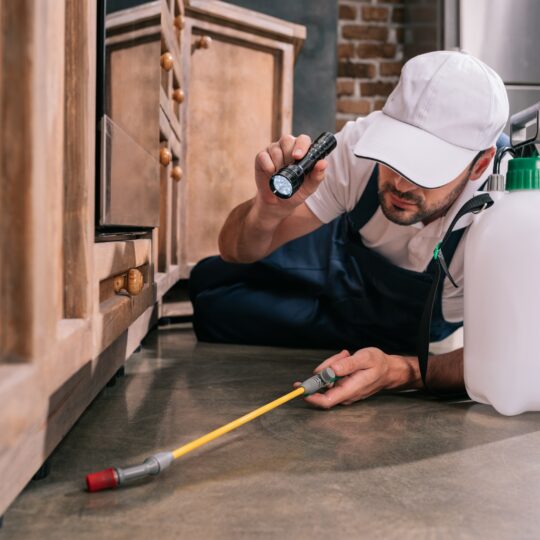
A comprehensive interior and exterior pest treatment typically includes an initial inspection to identify current pest activity, entry points, and conducive conditions that attract pests. We look for signs of rodents, insects, and other pests, and we assess your property’s vulnerabilities.
- Interior treatments target pests that are already inside your home. We treat basements, crawlspaces, attics, and other areas where pests hide. These treatments are safe for your family and pets but effective at eliminating pests.
- Exterior treatments create a protective barrier around your home’s foundation, entry points, and other vulnerable areas. We also remove spider webs and treat areas where pests are likely to nest or congregate.
- Exclusion recommendations help you make your home less accessible to pests. This might include sealing cracks and gaps, repairing damaged screens, addressing moisture issues, or removing debris that provides shelter.
- Ongoing protection through our bi-monthly or quarterly pest protection plans ensures that the protective barrier is refreshed regularly and that any emerging pest issues are caught early before they become infestations.
This comprehensive approach is far more effective than one-time treatments or reactive pest control that only addresses pests after they’ve already invaded.
What About Pests That Are Active Right Now?
While many pests are dormant or less active during winter, some are very active right now and need immediate attention.
Rodents are a major concern during winter. Mice and rats seek warmth, food, and shelter inside homes and buildings when temperatures drop. They can cause significant damage by chewing through wires, insulation, and structural materials. They also contaminate food and spread disease.
If you’re hearing scratching or scurrying sounds in your walls or attic, seeing droppings, or noticing gnaw marks on food packaging, you likely have rodents. Winter is actually a great time to address rodent problems because rodents are concentrated in the areas where they’ve nested rather than spread throughout your property.
Cockroaches that are indoors remain active year-round. They thrive in warm, humid environments, which means they’re just as much of a problem in January as they are in July. If you’re seeing cockroaches in your kitchen, bathroom, or basement, winter pest control can eliminate them before they reproduce in spring.
Overwintering pests like stink bugs and certain types of spiders may occasionally be seen indoors during winter, especially on warm days. While they’re not actively reproducing or feeding, they’re present in your walls and attic and will emerge in spring if not addressed.
Winter pest control addresses these active pests now, while also preparing your home for the pest activity that’s coming in a few months.
Preparing for Spring Pest Season
If you haven’t scheduled pest control yet this year, now is the time to do it. Late winter and early spring are the optimal windows for preventative pest control, and waiting until pests are fully active means you’re already behind.
At ExtermPRO, we offer free evaluations where we assess your property, identify current and potential pest issues, and recommend a customized treatment plan that fits your needs and budget. Whether you’re dealing with active pests right now or you want to prevent problems before they start, we can help.
Our pest protection plans provide year-round coverage with regular treatments that keep pests out and catch problems early. We start with comprehensive interior and exterior treatments to eliminate any existing pests and create a protective barrier, then we return on a bi-monthly or quarterly schedule to refresh that protection and address any emerging issues.
All of our services are backed by our satisfaction guarantee. We don’t consider the job complete until pests are gone and you’re satisfied with the results.
Get Ahead of Spring Pest Activity
Right now, while it’s still cold and icy outside, is the perfect time to schedule pest control. You’re getting ahead of the problem, you’re targeting pests before they reproduce, and you’re setting up a protective barrier that will keep your home pest-free as temperatures rise.
Don’t wait until you see ants marching across your kitchen counter, mosquitoes swarming your yard, or wasps building nests under your eaves. By then, you’re already dealing with an infestation. Schedule preventative pest control now, and you won’t have to worry about pests when spring arrives.
Contact ExtermPRO today at 571-620-1168 to schedule your free evaluation. We serve Gainesville, Bristow, Warrenton, Haymarket, Centreville, Manassas, Ashburn, Fairfax, Chantilly, Leesburg, and surrounding areas throughout Northern Virginia.
The snow will melt, temperatures will rise, and pests will wake up. The question is whether you’ll be ready for them – or whether they’ll be ready for you.